PNN
New Delhi [India], December 23: Across the globe, digestive disorders are rising, and nowhere is this more evident than in regions with high rates of Helicobacter pylori infection -- a bacterium carried by nearly half the world's population. In India and other Asian countries, H. pylori prevalence is especially high, raising the risk of chronic acidity, ulcers, and even stomach cancer. For decades, treatment has relied almost entirely on antibiotics, yet the need for gentler, complementary strategies has never been more urgent.
Cranberries, with their unique profile of polyphenols and proanthocyanidins (PACs), are emerging as a compelling ally in digestive health. A landmark double-blind, randomised, placebo-controlled trial involving 522 adults found that drinking cranberry juice containing 44 mg PACs twice a day for eight weeks resulted in a 20 percent reduction in H. pylori infection rates. What makes this meaningful is that cranberries don't kill the bacteria; instead, they prevent H. pylori from attaching to the stomach lining. By interrupting this anchoring process, cranberries reduce the chance of inflammation and infection taking hold.
This anti-adhesion mechanism has broader implications. Because cranberries do not act like antibiotics, they pose no risk of contributing to antibiotic resistance -- a critical advantage in India, where repeated antibiotic cycles are common. Cranberries offer a natural, well-tolerated complement to conventional therapy, and the study reported a compliance rate of 94 percent with no adverse effects.
Beyond the stomach, cranberries are also proving valuable for the gut microbiome. Their fibre and polyphenols act as prebiotics, supporting beneficial bacteria such as Bacteroidetes while reducing harmful strains linked to poor metabolic outcomes. Studies included in the Cranberry Institute guidebook note improvements in short-chain fatty acid production, gut barrier integrity, and overall microbial diversity -- factors linked to reduced inflammation and improved immunity.
A healthy gut barrier is essential; when weakened, it can allow harmful molecules to pass into the bloodstream, triggering chronic inflammation that contributes to diabetes, heart disease, and autoimmune conditions. Cranberries, through their protective effects on both microbial balance and barrier function, help maintain the gut's resilience.
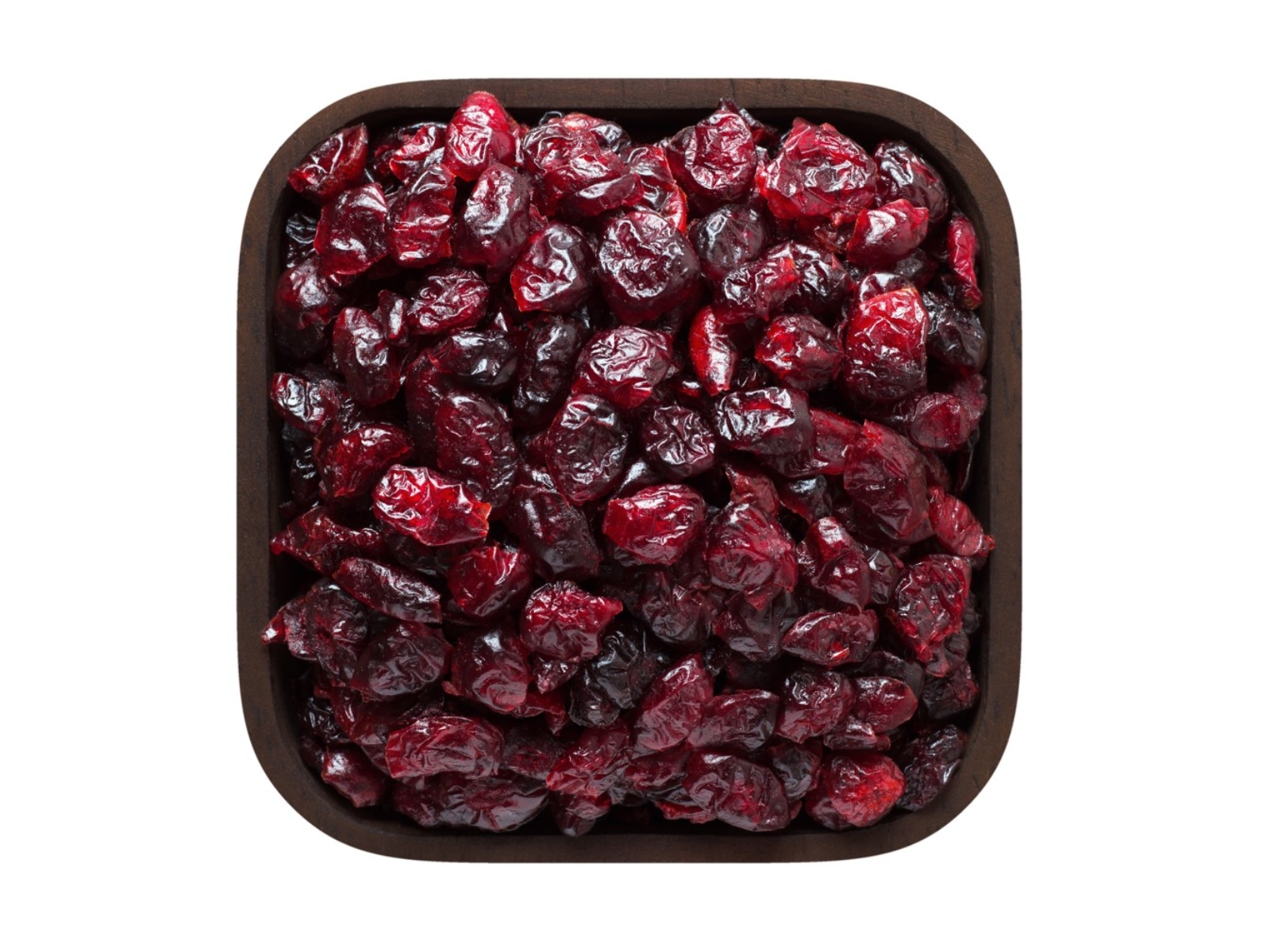
Digestion, immunity, and long-term health are deeply connected, and cranberries sit at this intersection with a surprising amount of scientific backing. By integrating cranberry products into daily diets -- from a morning glass of 100 percent cranberry juice to dried cranberries in meals -- consumers can support their digestive systems in simple, enjoyable ways.
As more research emerges, one thing is clear. Cranberries don't just brighten a plate; they fortify the invisible systems that keep digestion smooth, inflammation in check, and the stomach protected. In a landscape crowded with complex health challenges, they offer a small yet powerful step towards better gut health every day.
(ADVERTORIAL DISCLAIMER: The above press release has been provided by PNN. ANI will not be responsible in any way for the content of the same.)