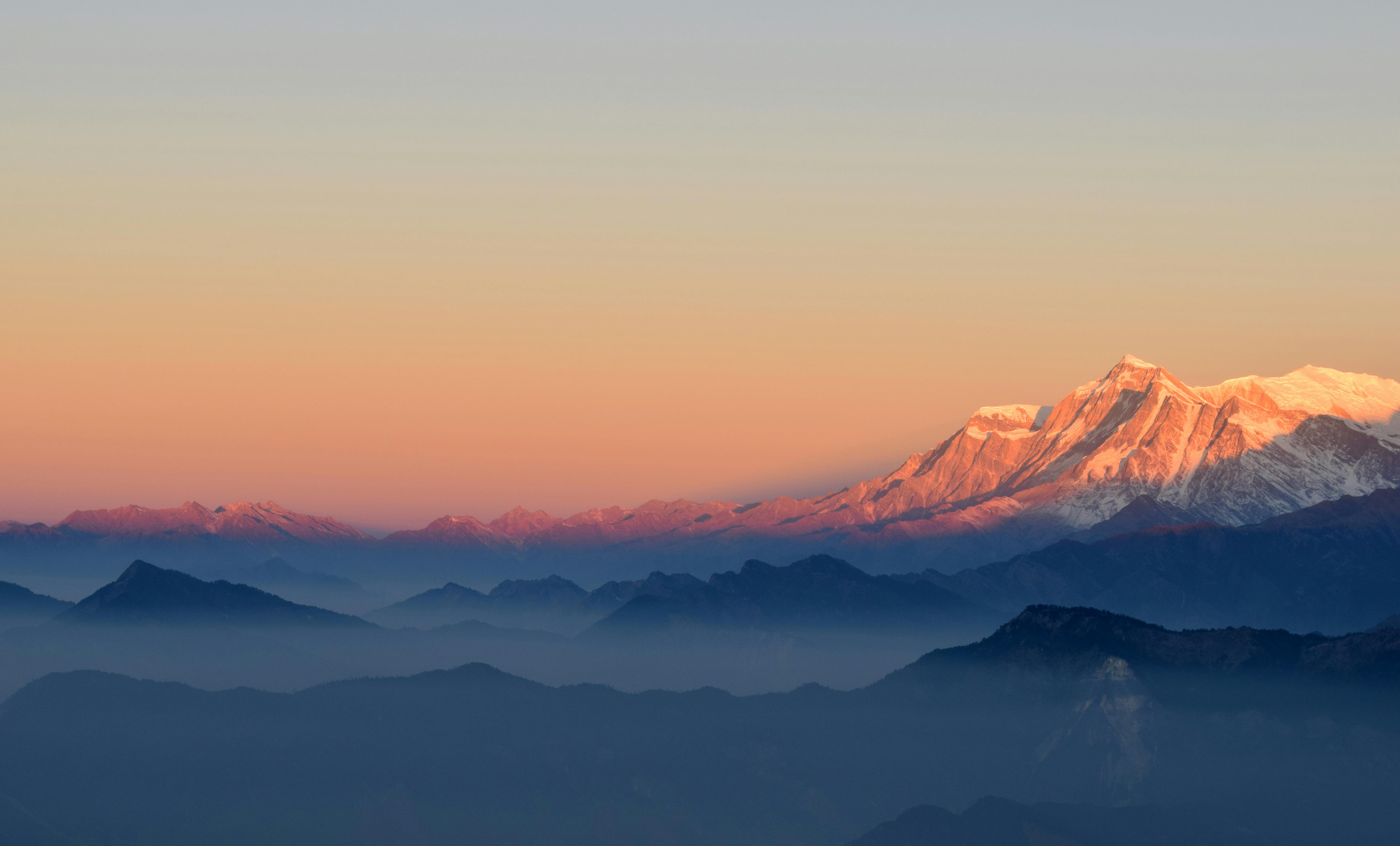
Kathmandu [Nepal], December 20: Nepal has unveiled a five-year strategy to keep the Himalayas clean, allowing authorities for the first time to limit the number of climbers on major peaks based on mountain conditions and available infrastructure.
The plan, formally titled Action Plan to Keep Mountains Clean (2025-2029), aims to curb growing waste and overcrowding, although concrete rules and criteria for implementing limits have yet to be defined.
No formal cap has previously been set on peaks including Mount Everest, not even during the Covid-19 years when social distancing concerns led to calls for restrictions and many expeditions were cancelled mid-climb.
How limits will be enforced remains unclear, particularly as Everest permits from Nepal have increased in recent years while China's climbing policies on its side of the mountain have been inconsistent.
In spring 2025, Nepal issued 468 permits, excluding guides who do not need permits, while only four permits were issued for the autumn season.
Nepal, home to thousands of peaks including eight of the world's 14 highest mountains, has long struggled with waste left by climbers.
Discarded clothing, boots, oxygen cylinders, plastics, disposable medical supplies, food cans, aluminium ladders, ropes, human waste and the bodies of deceased climbers have accumulated at high camps and in the death zone.
Individual clean-up campaigns by the Nepalese authorities, the army and organizations have been taking place since the early 2000s.
However, permanent solutions remain elusive.
The new strategy provides for better implementation of existing rules to control the amount of waste. Since 2011, climbers have had to bring at least 8 kilograms of waste per person with them on their way back down.
The plan also proposes that climbers participate in an orientation programme on the clean Himalayas campaign and document the amount of waste they bring back from the mountains.
Kami Rita Sherpa, the guide who has summitted Everest a record 31 times, said in a previous interview with dpa that earlier efforts to assign clean-up work to the Nepal Army, which in turn commissioned sherpas, were unsustainable.
"The sherpas should be given the clean-up job. That's the only way to clean the mountain," he said.
Khimlal Gautam, who led the Nepali survey team that measured Everest's height at 8848.86 metres, said the new strategy is long overdue.
"These efforts are a step in the right direction, but much will depend on how effectively they are introduced," he said.
Source: Qatar Tribune