Sasakawa-India Leprosy Foundation Marks 20 Years of Restoring Dignity, Reaching 27 States and Union Territories
VMPL
New Delhi [India], November 23: Sasakawa-India Leprosy Foundation (S-ILF) celebrated its 20th Foundation Day today, marking two decades of dedicated efforts towards restoring dignity, creating opportunities and promoting social inclusion for persons affected by Leprosy.
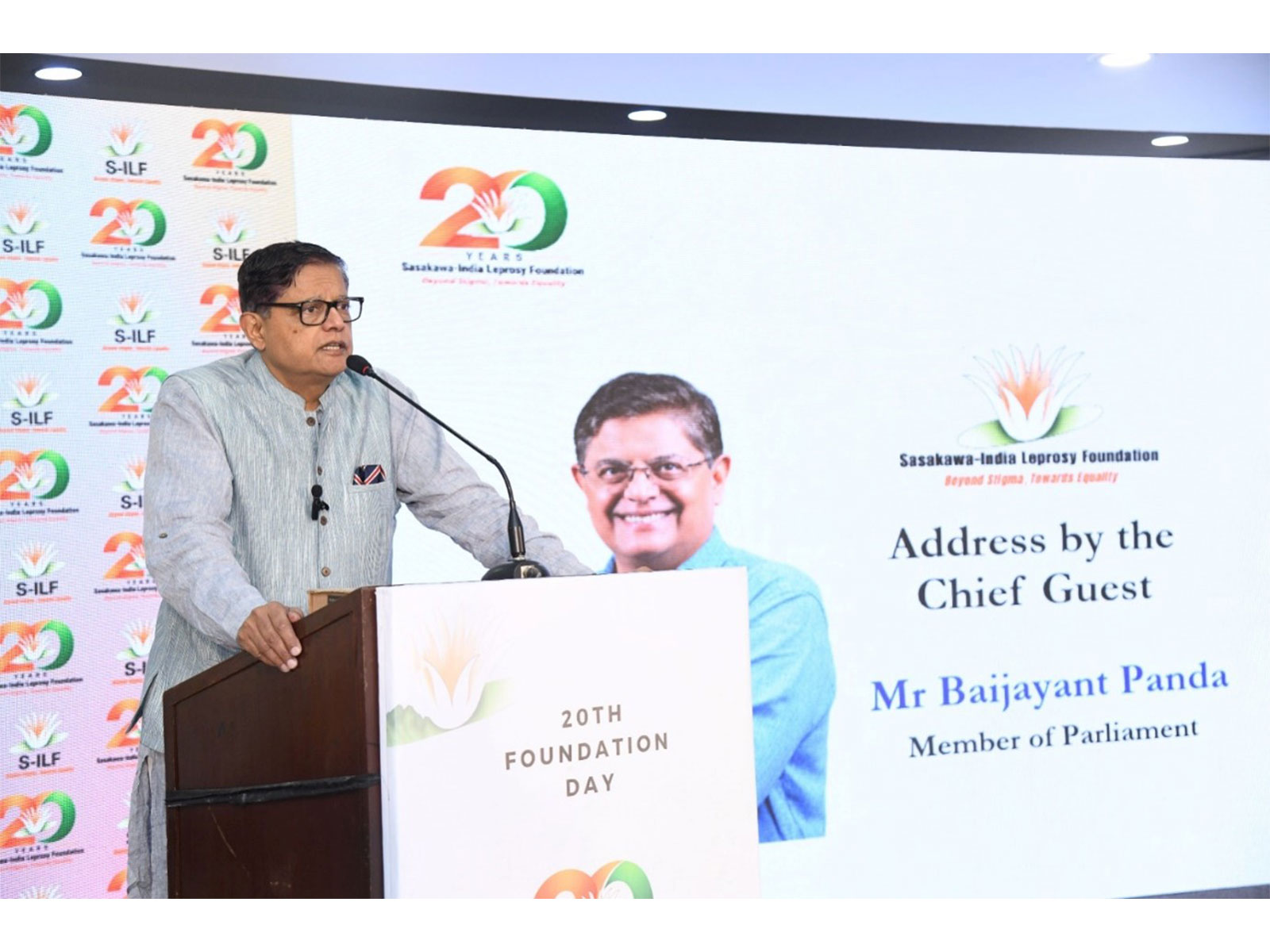
The celebration was attended by Mr Baijayant Panda, Member of Parliament, as the Chief Guest; Mr S Mahalingam, Chairman, S-ILF; Mr Gaurab Sen, Chief Executive Officer, S-ILF; and other distinguished guests, partners, supporters and members of the S-ILF and people from various Leprosy colonies across India.
Established in 2006, following India's achievement of Leprosy elimination as a public health problem at the national level in 2005, S-ILF began its journey from scratch with a presence in just three states. The organisation was inaugurated by the then President of India, Dr A P J Abdul Kalam. With dignity at the heart of its mission, S-ILF began by supporting livelihood opportunities for persons affected by Leprosy, followed by scholarships for their children, helping families overcome poverty and access better opportunities.
Over the past two decades, the Foundation has expanded its work to 27 States and Union Territories, supporting thousands of individuals and families through livelihood, education, skills development, healthcare, humanitarian assistance and awareness initiatives.
Welcoming the gathering, Mr S Mahalingam, Chairman, S-ILF, reflected on the Foundation's journey and acknowledged the contributions of its former Chairmen, Late Dr Noordeen and Mr Tarun Das, whose leadership and guidance helped shape and strengthen the organisation. He also acknowledged the continued inspiration and support of Mr Yohei Sasakawa, WHO Goodwill Ambassador for Leprosy Elimination and Chief Patron of S-ILF.
Mr Mahalingam emphasised that while India is approaching the last leg of Leprosy elimination, challenges of stigma, discrimination and social exclusion remain. He reiterated that S-ILF's role will be increasingly important in ensuring that the elimination of the disease goes hand in hand with dignity, equality and opportunity.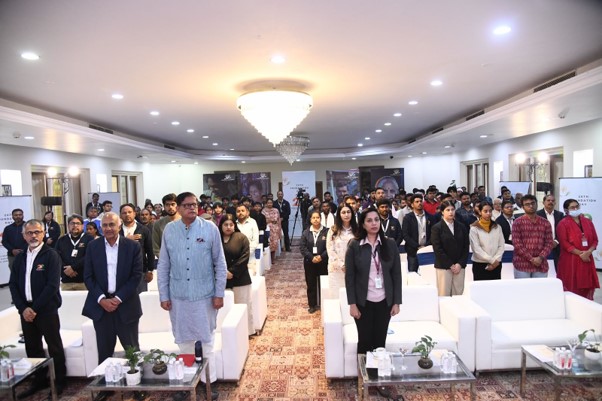
In a special video message, Mr Yohei Sasakawa, WHO Goodwill Ambassador for Leprosy Elimination and Chief Patron, S-ILF, congratulated the Foundation on completing 20 years and recalled the vision behind its establishment. He highlighted S-ILF's significant contribution to improving the lives and social participation of persons affected by Leprosy and their families.
Emphasising the importance of community participation, Mr Sasakawa recognised S-ILF's close partnership with the Association of Persons Affected by Leprosy (APAL), describing it as key to the Foundation's achievements over the past two decades. Recalling his lifelong commitment to the cause, he reiterated his vision of an India where no person affected by Leprosy is forced to beg for a living and where everyone can live freely in their communities, without discrimination or prejudice.
Concluding his message with a call for collective action, he said, "An India free of Leprosy is not an impossible dream. Together let us make the impossible possible."
Addressing the gathering, Mr Baijayant Panda, Member of Parliament and Chief Guest, highlighted India's progress under the National Leprosy Eradication Programme (NLEP) and the targets set for 2027, which include zero transmission, zero disability and zero discrimination.
Referring to the NLEP Annual Report 2025–26, he highlighted the reduction in India's Leprosy prevalence rate from 0.69 per 10,000 population in 2014–15 to 0.56, along with an approximately 35% decline in the annual new case detection rate during the same period. He also noted that 654 out of 768 districts have achieved a prevalence rate below one case per 10,000 population, while 148 districts have reported interruption of transmission, with no new child cases for five consecutive years.
He also highlighted initiatives such as the Sparsh Leprosy Awareness Campaign and ASHA-Based Surveillance for Leprosy Suspects (ABSULS), underlining the importance of awareness, early detection and targeted interventions in addressing the remaining challenges.
The celebration featured the screening of a short film documenting S-ILF's 20-year journey, testimonials by beneficiaries, a welcome song and cultural performances by students of the Foundation's After School Learning Centres and other beneficiaries. These presentations showcased the impact of the Foundation's work and the determination and achievements of the people it supports.
In his closing remarks, Mr Gaurab Sen, Chief Executive Officer, S-ILF, highlighted the Foundation's growth from a small initiative in three states to a nationwide organisation working across 27 States and Union Territories. He acknowledged the contributions of the Foundation's leadership, partners, donors, beneficiaries and team members, past and present.
He emphasised that the stories of transformation shared during the celebration represented the true impact of S-ILF's work. Looking ahead, he reaffirmed the Foundation's commitment to working with greater energy and determination as India approaches the final leg of Leprosy elimination. He stressed that the goal must extend beyond eliminating the disease to ensuring freedom from stigma and discrimination for every person affected by Leprosy.
The celebration concluded with an anti-discrimination pledge, reaffirming the collective commitment to respect, equality and inclusion for persons affected by Leprosy.
As S-ILF enters its next chapter, it remains committed to its founding purpose of ensuring that persons affected by Leprosy live with dignity, equal opportunities and full participation in society.
Sasakawa-India Leprosy Foundation: 20 Years of Restoring Dignity.
(ADVERTORIAL DISCLAIMER: The above press release has been provided by VMPL. ANI will not be responsible in any way for the content of the same.)